Unsecured Credit – You Still May Lose More Than You Gain

Although there are obvious pitfalls to taking out a mortgage or a new car loan which are not a problem with unsecured credit, there is no doubt that unsecured borrowing can still be a very risky endeavor.
Just because the lender cannot repossess your possessions to make good on the loan, this does not mean that you cannot be put in a very risky situation financially. The first thing that will happen when you miss a payment on a loan or credit card is that you will go into the company’s “collections” file and they will pursue you for payment.
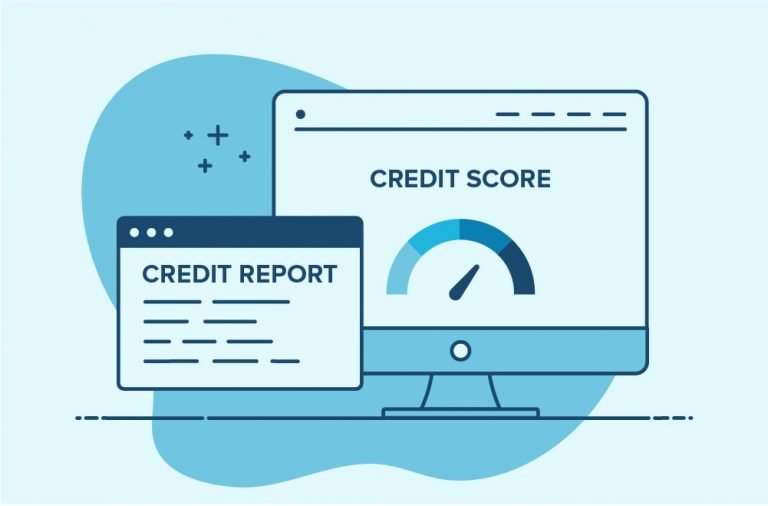
As well as entering the collections department, you will find that your credit record will contain the information on your missed payment. There are certain kinds of borrowing that are available to people with perfect credit ratings, including loans that have extremely low-interest rates. A black mark on your credit rating will be enough to disbar you from ever qualifying for such lending, and will mean that any credit you do get will be very much on the lender’s terms.
Borrowing money can be the solution to a problem in a number of situations, but it is important to realize that without the continued means to pay the money back you will be placed in a very troublesome situation. Sometimes the best way to deal with the pitfalls of unsecured lending is just not to borrow at all. It may make for a difficult situation, but it will be one without unpleasant letters and phone calls.
This article is general education, not financial, legal or credit-repair advice. We do not promise score increases, removals or approvals. See our Financial Disclaimer.