Take Action Now with These 5 Moves if Your Credit Score Is Below 580
Tips for Improving Your Credit Score Below 580
Breaking News: How to Improve Your Credit Score if it’s Below 580
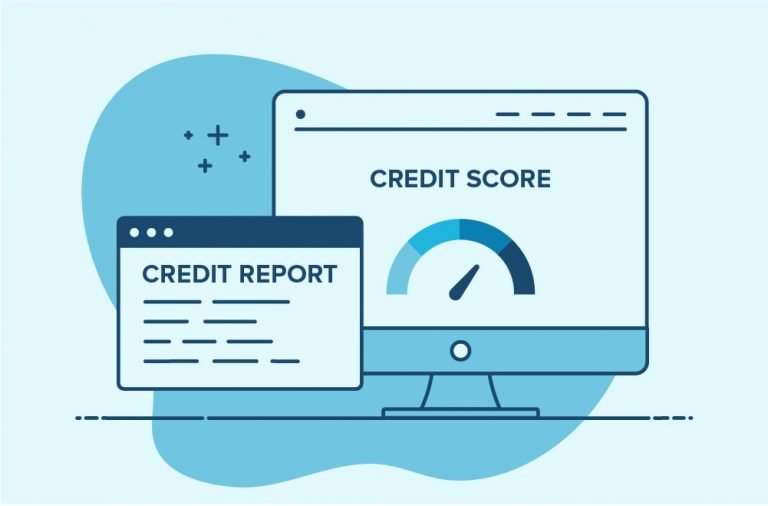
Your credit score is a crucial three-digit number that can impact various aspects of your financial life. If your credit score falls below 580, it is considered poor and can limit your options for getting loans or even applying for a job. However, there are steps you can take to improve your credit score and get back on track.
One effective way to start rebuilding your credit is by getting a secured credit card. By using a secured credit card responsibly, you can show lenders that you are capable of borrowing and repaying money. Additionally, prioritizing credit card payments and paying off balances can help improve your credit score over time.
Another important factor to consider is your credit utilization ratio. Keeping your credit usage below 30% of your total credit limit is ideal for maintaining a healthy credit score. By chipping away at your balances and paying more than the minimum amount due, you can lower your credit utilization and boost your credit score.
It’s also essential to check your budget and make sure you are managing your finances effectively. Creating a budget and tracking your expenses can help you identify areas where you can cut back and allocate more money towards paying off your debts.
Lastly, consider using cash instead of credit for a period of time to help control your spending and avoid accumulating more debt. By following these tips and being proactive about improving your credit score, you can work towards achieving a score above 580 and opening up more financial opportunities for yourself.
This article is general education, not financial, legal or credit-repair advice. We do not promise score increases, removals or approvals. See our Financial Disclaimer.