The Anatomy of a Budget: A Step-by-Step Guide to Allocating Income, Boosting Savings, and Eradicating Stress
Plenty of people hate budgets. For them, a budget means a spreadsheet you fill out once in January, feel good about for a week, and never open again. Picture someone who’s behind on two cards and arguing with their partner about money every other week. They give budgeting one more shot, and this time they treat it less like a diet and more like a map. That shift makes all the difference.
A budget, at its core, is just a plan for where your money goes before it goes there. That’s it. Let’s take one apart piece by piece so you can build one that fits your life, not somebody else’s.
Step 1: Figure out what you actually bring home
Start with your take-home pay, the amount that actually lands in your account after taxes, insurance, and retirement contributions come out. Not your salary. Not what you made last year with overtime. What you can count on.
If your income bounces around because you work hourly, get tips, or freelance, look at the last three to six months and use your lowest month as your baseline. Anything above that is a bonus you can assign when it arrives. Budgeting off your best month is how a lot of us end up short in a slow one.
Step 2: List your fixed expenses
Fixed expenses are the bills that cost roughly the same every month and that you can’t easily skip. Rent or mortgage, car payment, insurance premiums, phone, internet, minimum debt payments, child care. Write each one down with its amount and due date.
Don’t forget the ones that don’t come monthly. Car registration, an annual subscription, a twice-a-year insurance premium. Add them up for the year, divide by 12, and treat that as a monthly expense. Setting aside a little every month means they stop ambushing you.
Step 3: Estimate your variable spending
This is groceries, gas, eating out, household stuff, entertainment, gifts, and all the little charges that add up. These are the numbers people most often guess wrong.
Pull up your last two or three months of bank and card statements and add up what you really spent in each category. Say you discover your household of two spends nearly $300 a month on takeout when you’d have guessed half that. That kind of surprise is normal. No judgment if your numbers surprise you. That’s the whole point of looking.
Step 4: Give every dollar a job
Now you know what comes in and what goes out. The next step is deciding, ahead of time, where each dollar should go. There are a few popular ways to do this, and none of them is the one true method.
The 50/30/20 approach
A popular rule of thumb splits take-home pay into roughly 50% for needs, 30% for wants, and 20% for savings and extra debt payments. It’s simple, which is its biggest strength. The catch is that in a lot of places, rent alone can eat half a paycheck. If your needs are at 65%, that doesn’t mean you failed. It means you adjust the other two buckets for now.
Zero-based budgeting
With a zero-based budget, income minus every planned expense, savings contribution, and debt payment equals zero. Every dollar has an assignment before the month starts. It works well for a lot of people because it forces you to make choices on paper instead of at the checkout counter.
The envelope or “cash stuffing” method
Some people pull cash for spending categories like groceries and fun money and put it in labeled envelopes. When an envelope is empty, that category is done until next month. It’s old school, but it makes overspending physically hard. Digital versions exist in many budgeting apps too.
Pick whichever one you’ll actually use. For more ideas on picking a system, take a look at our guide to budgeting your money.
Step 5: Build savings into the plan, not around it
Savings should be a line item, just like rent. If you wait to see what’s left at the end of the month, the answer is usually nothing.
Start with an emergency fund. Even a small cushion of a few hundred dollars can keep a car repair from landing on a credit card. Once that’s in place, keep building it toward a few months of expenses while you work on other goals. Set up an automatic transfer on payday so the money moves before you can spend it.
Say you bring home $3,200 a month. Setting aside $160, or 5%, might feel small. But in a year, that’s $1,920 sitting there when the water heater dies. That’s a real buffer.
Step 6: Plan for debt payments on purpose
If you’ve got credit card debt, your budget should include more than just the minimum payments whenever you can swing it. Pick one debt to target, either the highest interest rate or the smallest balance, and send it every extra dollar you’ve assigned to debt.
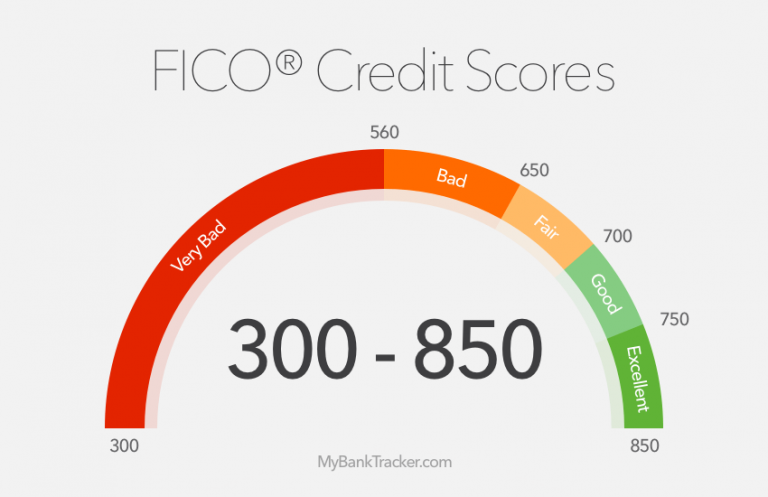
Your budget is also your best protection against late payments, which matter a lot for your credit. Payment history makes up about 35% of a FICO Score, according to myFICO. When you know your bills are covered, that part takes care of itself. If you’re juggling cards right now, our walkthrough on paying off credit card debt pairs well with this step.
Step 7: Check in weekly, adjust monthly
A budget isn’t something you write once. It’s something you revisit. Try a five-minute check every Sunday: how much is left in groceries, did anything weird hit your account, is anything due this week? Then once a month, sit down and build next month’s plan using what you learned.
Some months you’ll overspend. Your kid needs new shoes, a friend gets married, the dog eats something it shouldn’t. Move money from another category to cover it and keep going. The budget’s job is to help you make trade-offs on purpose, not to make you feel guilty.
How a budget takes the stress out of money
Here’s what tends to surprise people most. Your income doesn’t change when you start budgeting. Your stress level can. Money arguments at home often cool down once everyone has agreed on where the money is going. Opening your banking app stops feeling like a jump scare. Knowing the rent is covered and the card payment is scheduled lets you actually enjoy the money you’ve set aside for fun.
That’s the part people miss. A good budget doesn’t just tell you what you can’t spend. It gives you permission to spend what you can without the guilt.
Bottom line
A budget has a simple anatomy: know your real income, list your fixed bills, measure your variable spending, give every dollar a job, build in savings and debt payments, and check in regularly. Pick a method that fits your personality and expect to tweak it. The goal is not a perfect spreadsheet. It’s fewer surprises and a little more peace of mind every month.
Frequently asked questions
How do I budget with irregular income?
Base your budget on your lowest typical month. Cover essentials first, and when a bigger month comes in, assign the extra to savings, debt, or next month’s bills.
What if my needs are more than 50% of my income?
That’s common, especially with high rent. Treat 50/30/20 as a starting point and adjust. Trimming wants or finding ways to lower a big fixed bill can help over time.
Do I need a budgeting app?
No. A notebook or simple spreadsheet works fine. Apps can save time by sorting transactions, but the method matters less than actually using it.
How often should I update my budget?
A quick weekly check and a monthly reset work well for most people. Update it any time your income or a major bill changes.
This article is for educational purposes only and isn’t financial or legal advice.
Bad Credit Freedom is an educational website. We are not a credit repair company, lender, or credit bureau, and we don't offer credit repair services. This article is general education, not financial, legal or credit-repair advice. We do not promise score increases, removals or approvals. See our Financial Disclaimer.