The Smart Route to Debt Consolidation: Streamlining Multi-Card Debt Without Ruining Your Credit History
Picture five credit cards with balances, five different due dates, and five interest rates that all seem to start with a 2. Every month feels like playing whack-a-mole. You’re not even sure what you owe in total until you sit down one night and add it up on the back of an envelope. That’s usually when the word “consolidation” starts sounding pretty attractive.
Debt consolidation can be a smart move. It can also be a trap if you go in without a plan. Here’s how to do it in a way that helps you, and doesn’t quietly wreck the credit history you’ve worked to build.
What debt consolidation really means
Consolidation means combining several debts into one, ideally with a lower interest rate, a single monthly payment, or both. You’re not erasing any debt. You’re reorganizing it so it’s cheaper or easier to pay off.
The main ways people do it:
- A debt consolidation loan, usually a fixed-rate personal loan used to pay off your cards
- A balance transfer credit card with a low or 0% introductory rate
- A debt management plan through a nonprofit credit counseling agency
Some people also use home equity, but turning unsecured card debt into debt backed by your house is a serious step. If you can’t pay, your home is on the line. It’s worth considering only after talking it through with someone you trust.
Option 1: A debt consolidation loan
With a consolidation loan, you borrow one lump sum and use it to pay off your cards. Then you repay the loan in fixed monthly payments over a set term, often a few years.
Say you owe $8,000 across four cards averaging well over 20% APR. If you qualify for a personal loan at a meaningfully lower rate, you could save on interest and know exactly when you’ll be done. That end date can be a big deal psychologically. Credit cards don’t have one.
The catches
Your rate depends on your credit, income, and the lender. With damaged credit, the rate you’re offered may not be much better than what you’re paying now, so compare the APR, which includes fees, not just the interest rate. Watch for origination fees that come out of the loan amount. And make sure the monthly payment fits your budget, because a longer term can lower the payment while costing more in total interest.
Option 2: A balance transfer card
Some cards offer a low or 0% introductory APR on balances you transfer in. If you can pay off the debt before that promo period ends, you could save a lot in interest.
But read the fine print. Most balance transfer cards charge a transfer fee, often a percentage of the amount moved. The promo rate ends on a specific date, and whatever balance is left starts accruing interest at the regular rate. These cards also usually require good credit to get approved, so they’re not an option for everyone working on rebuilding.
Option 3: A debt management plan through nonprofit credit counseling
If your credit isn’t strong enough for a good loan or card rate, this is often the option worth looking at first. Nonprofit credit counseling agencies can review your budget and, if it fits, set up a debt management plan. You make one monthly payment to the agency, and it pays your creditors.
According to the CFPB, these plans usually don’t reduce what you owe. Instead, the counselor works to lower your monthly payment, sometimes by getting creditors to reduce interest rates or give you more time. Agencies can charge fees, so ask about them up front. The CFPB points people to the National Foundation for Credit Counseling and the Financial Counseling Association of America as places to start.
One thing to know: creditors may require you to close the cards included in the plan. That can affect your utilization and, eventually, your credit history length. For a lot of people, the trade-off is worth it to get out of debt on a set schedule. Our guide on understanding debt management plans goes deeper.
How consolidation can affect your credit
Here’s the honest breakdown of what can happen to your credit when you consolidate.
Things that can hurt a little, at first
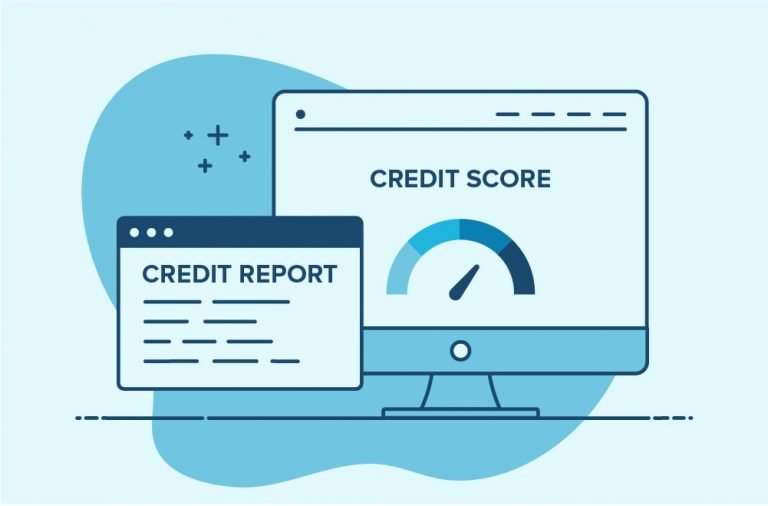
Applying for a new loan or card usually means a hard inquiry, which can cause a small, temporary dip. A brand new account also lowers the average age of your accounts. Both count toward the “new credit” and “length of credit history” parts of your FICO Score, which together make up about 25% of the calculation, according to myFICO.
Things that can help over time
If you use a loan to pay off your cards, your credit card utilization can drop a lot, which is part of the “amounts owed” category at about 30%. And one manageable payment can make it easier to pay on time every month, which helps your payment history, the biggest factor at 35%.
How to consolidate without ruining your credit history
These are the rules worth following, and plenty of people learn a couple of them the hard way.
Don’t close the paid-off cards right away. Unless they’re part of a debt management plan or have an annual fee you can’t avoid, leaving them open keeps your available credit up and your history intact. Closing them can push your utilization back up.
Don’t run the cards back up. This is the big one. Consolidation only works if the old cards stay paid off. It’s common for people to consolidate, feel relieved, and end up with a loan plus new card balances a year later. If you don’t trust yourself, put the cards in a drawer or freeze them in a block of ice. That’s only half a joke.
Prequalify when you can. Many lenders offer prequalification with a soft credit check, which doesn’t affect your score. It lets you compare estimated rates before you formally apply.
Keep paying every bill on time during the switch. Don’t stop paying a card because you’re waiting for the loan to fund. Keep everything current until each balance actually shows as paid.
Have a budget that supports the new payment. Consolidation reorganizes debt. It doesn’t fix the spending or income gap that created it.
Watch out for debt settlement dressed up as consolidation
Some companies advertise “debt relief” that sounds like consolidation but is really debt settlement. They typically tell you to stop paying your creditors and send money to them instead while they try to negotiate your balances down. The CFPB warns that not paying your debts while trying to settle them can lower your credit score, lead to lawsuits, and add late fees and interest. Fees can be high, and there’s no guarantee your creditors will settle.
Red flags include any company that charges before it settles anything, promises to make your debt disappear, mentions a vague “government program,” or tells you to stop talking to your creditors. We covered this in more detail in should you consider debt settlement?
Bottom line
Done carefully, debt consolidation can lower your interest, simplify your payments, and give you a finish line. Compare a consolidation loan, a balance transfer card, and a nonprofit debt management plan against your budget and credit. Expect a small, temporary dip from a new application, keep old cards open when it makes sense, and above all, don’t run those balances back up. And steer clear of anyone who tells you to stop paying your bills.
Frequently asked questions
Will debt consolidation hurt my credit score?
A new loan or card can cause a small, temporary dip from the hard inquiry and new account. Over time, lower card balances and on-time payments can help, but no one can promise a specific result.
Can I consolidate debt with bad credit?
It’s possible, but rates may be high. A nonprofit credit counselor and debt management plan is often worth exploring, since it doesn’t depend on qualifying for a new loan.
Is a debt management plan the same as debt settlement?
No. A debt management plan usually repays what you owe in full on adjusted terms. Debt settlement tries to pay less than you owe and often involves stopping payments, which carries real risks.
Should I close my cards after consolidating?
Often it’s better to keep no-fee cards open to preserve available credit, unless a debt management plan requires closing them or you’re worried about running them up again.
This article is for educational purposes only and isn’t financial or legal advice.
Bad Credit Freedom is an educational website. We are not a credit repair company, lender, or credit bureau, and we don't offer credit repair services. This article is general education, not financial, legal or credit-repair advice. We do not promise score increases, removals or approvals. See our Financial Disclaimer.