Starting Over: How to Rebuild Your Credit After Bankruptcy
Picture the week after a bankruptcy discharge. The court process is over, the phones are quieter, and then a question settles in: now what? The filing will still be on your credit reports for years. That does not mean your credit is frozen in place until the date it drops off.
Rebuilding is slow, and it is also fairly straightforward. You can’t erase an accurate bankruptcy early, but you can add a new, cleaner history on top of it. Lenders who look at your file a couple of years from now will care a lot about what you did after the filing, not only about the filing itself.
How long a bankruptcy can stay on your credit reports
Federal law allows a bankruptcy to be reported for up to 10 years. In practice, the three nationwide credit bureaus typically report a Chapter 7 bankruptcy for 10 years from the filing date and a Chapter 13 bankruptcy for seven years. The CFPB notes that bankruptcies can be reported for up to 10 years, and its consumer guidance also commonly describes the shorter seven-year period for Chapter 13 as the typical reporting window.
The effect on your score is usually strongest around the time of the filing and tends to ease as the bankruptcy ages, especially if you build a record of on-time payments afterward. There is no official, guaranteed recovery timeline and no honest point estimate that applies to every file.
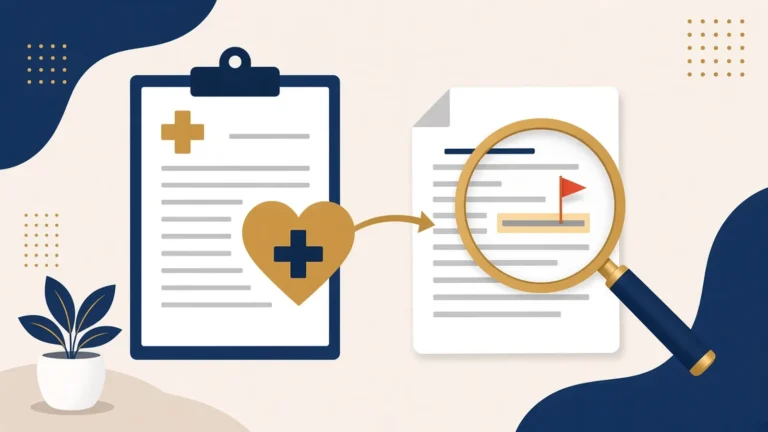
Pull your reports at AnnualCreditReport.com and make sure the bankruptcy is listed correctly: the chapter, the filing date, the case number, and the accounts that were included. If something is wrong, such as a duplicate filing, the wrong chapter, or an account still reported as open and past due after it was discharged, dispute it. Our guide on disputing credit report errors walks through that process.
That last example is more common than it should be. After a discharge, some accounts still show as unpaid, in collections, or charged off as if the bankruptcy never happened. If a debt was included and discharged, the reporting should reflect that. You’ll need the case details and a list of the included creditors when you dispute it. Debts that were not discharged, or that you reaffirmed, should still be paid as agreed.
Start with the basics that matter most
Payment history is about 35% of a FICO Score, and amounts owed are about 30%, according to myFICO. After a bankruptcy, those two categories are where you can make the most progress.
Pay every bill that remains, on time, every month. That includes debts that were not discharged, such as many student loans, recent taxes, or a reaffirmed car loan or mortgage. Set up autopay for at least the minimum where you can. The same habits we describe in our payment history guide matter even more when you’re starting over.
Then keep new balances low. If you open a card or a credit-builder product, treat it like a tool, not a cushion. High utilization can drag a score down even when payments are on time, which we explain in our guide to credit utilization.
An emergency fund, even a small one, is part of this too. After a bankruptcy, one surprise bill is exactly how people end up late again. Our guide on how an emergency fund protects your credit is a practical place to start.
Credit-building options that are realistic after a filing
Approval after a bankruptcy is often limited at first, and that’s expected. A few options tend to come up:
A secured credit card
You put down a refundable deposit, and that deposit usually becomes your credit limit. Used carefully, a secured card can report on-time payments and help you rebuild. Keep the balance low, pay on time, and watch the fees. When you’re ready to compare products, start with our secured credit card comparison page.
A credit-builder loan or credit-union product
Some banks and credit unions offer small installment loans designed to be reported to the credit bureaus as you repay them. The money may be held in a savings account until you finish. These can help with credit mix and payment history, but only if the fees and the payment fit your budget. A missed payment on a product that was supposed to help you will do the opposite.
Becoming an authorized user
A family member with a long, clean card history and a low balance may add you as an authorized user. That history can appear on your reports and may help, though it can also hurt if the primary cardholder pays late or runs a high balance. We cover the trade-offs in our authorized user guide. Skip anyone who offers to sell you a tradeline.
Whatever you open, apply selectively. Each application can add a hard inquiry, and opening several new accounts at once can look messy. Our Compare Options hub is a way to review categories before you apply.
What not to do while you’re rebuilding
Don’t ignore the bankruptcy on your reports and hope it vanishes early. Accurate public records aren’t removed just because you ask. Don’t work with a company that promises to erase a bankruptcy or “guarantee” a score. And don’t rush into a high-cost loan just to have a new account, especially if the payment will be hard to sustain.
If you need to borrow, compare the APR, fees, and whether the lender reports to all three bureaus. Our page on personal loans for bad credit is a starting point, not a recommendation to take a loan you don’t need.
Also give your budget a real second look. Bankruptcy often follows a stretch where the numbers didn’t work. A simple plan for bills, savings, and debt payments makes the credit-building part much easier to stick with.
If any credit cards survived the bankruptcy, or if you later get a new one, don’t use a sudden new limit as a way to catch up on cash flow. That’s how people end up back in the same hole. A card is a reporting tool first, a spending tool second, if at all.
Bottom line
A bankruptcy can stay on your credit reports for up to seven or 10 years, depending on the chapter and the bureau’s reporting practice, but your score is not on hold until that date. Check that the filing and related accounts are accurate, pay every remaining bill on time, keep new balances low, and add one or two well-chosen accounts you can manage. The new history you build is what gradually matters more.
Frequently asked questions
Can you get a credit card after bankruptcy?
Often yes, especially a secured card, though approval, limits, and fees vary. Wait until you can pay the card in full or keep a low balance, and read the deposit and fee terms carefully.
How soon can you buy a car or a house after bankruptcy?
It depends on the lender, the type of loan, and the chapter you filed. Some mortgage programs have waiting periods after a discharge or dismissal. A lender or housing counselor can explain the rules that apply to a specific loan type. Don’t rely on a generic timeline you see in an ad.
Should you tell lenders about the bankruptcy?
They will see it on your credit reports. If you’re asked about it on an application, answer accurately. Trying to hide it usually backfires.
Does the bankruptcy come off automatically when the time is up?
It should drop off after the reporting period ends, but it’s worth checking your reports around that time and disputing the item if it remains.
This article is for educational purposes only and isn’t financial or legal advice.
Bad Credit Freedom is an educational website. We are not a credit repair company, lender, or credit bureau, and we don't offer credit repair services. This article is general education, not financial, legal or credit-repair advice. We do not promise score increases, removals or approvals. See our Financial Disclaimer.