Mastering the Money Matrix: 5 Personal Finance Habits That Will Transform Your Financial Future in 2026
Picture someone who finally gets their money under control and is asked how they did it. People expect a big secret. A trading app, maybe, or a side hustle. The honest answer is usually boring: they picked up a handful of habits and stuck with them long enough that the habits stopped feeling like work.
That’s what this piece is about. Not a magic system, not a forty-step plan. Just five habits that, done most of the time, tend to move people from “where did my paycheck go?” to “okay, I’ve got this.” Think of the whole thing as a money matrix, because each habit props up the others. Skip one and the rest get harder. Do all five and they start feeding each other.
None of this requires a big income. Plenty of people turn their finances around while working retail or driving for a delivery app. What they tend to have in common is consistency.
Habit 1: Know where every dollar actually goes
Most of us think we know what we spend. Most of us are wrong. Say you track every purchase for a month and discover you spent about $140 on drive-thru coffee and breakfast sandwiches. You’d probably have sworn it was forty bucks. That gap is really common.
You don’t need fancy software for this. Pull up the last 30 days of your bank and card statements and sort every charge into a few buckets: housing, transportation, food, debt payments, bills, and “everything else.” Be honest about that last one. It’s usually where the surprises live.
The point isn’t to shame yourself. It’s to get real numbers on the table, because every other habit on this list depends on them. You can’t build a budget, save for emergencies, or plan a debt payoff with guesses.
Once you’ve done the 30-day look-back, keep a lighter version going. Some people check their accounts every Sunday night. Others use an app that sorts transactions automatically. Pick whatever you’ll actually keep doing.
Habit 2: Pay yourself first, and make it automatic
Here’s a pattern a lot of people know too well. Paycheck lands. Bills go out. You spend on whatever comes up. At the end of the month you plan to save “whatever’s left.” There’s never anything left.
Paying yourself first flips the order. The day your paycheck hits, a set amount moves to savings before you have a chance to spend it. Even $25 a paycheck counts. Say you get paid every two weeks. That’s $650 by the end of the year, from an amount most people won’t miss.
Automation is what makes this stick. Most banks and many employers let you split direct deposit or schedule a recurring transfer. Set it once and let it run. If you can, keep that savings at a different bank from your checking account. A little friction goes a long way when you’re tempted to raid it.
Where that money should go first
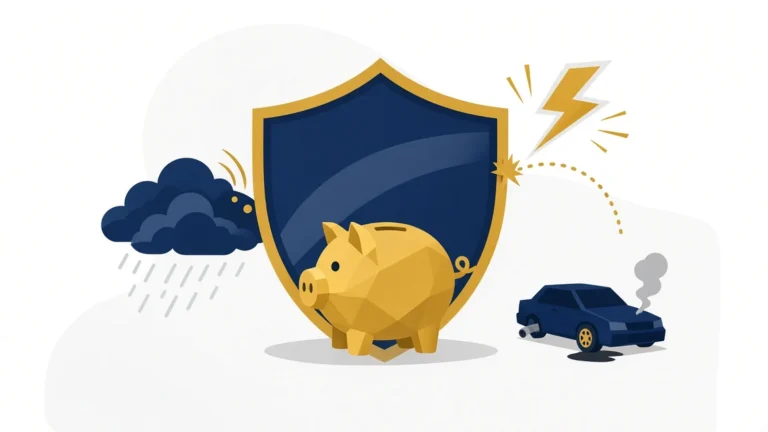
Start with a small emergency cushion. A few hundred dollars covers a lot of life’s little disasters: a flat tire, a co-pay, a broken phone screen. Without it, those things go on a credit card or, worse, get paid late. Once you’ve got a starter cushion, keep building it while you work on debt. We go deeper on this in our guide to budgeting your money.
Habit 3: Never miss a due date
If you only take one habit from this list, take this one. According to myFICO, payment history is the single biggest piece of your FICO Score, about 35% of the calculation. It’s also the factor that tends to do the most damage when things go sideways.
The good news is that a payment a few days late usually doesn’t show up on your credit report. Creditors generally report a late payment to the credit bureaus once it’s at least 30 days past due. You might still owe a late fee, but if you catch it quickly, you can usually keep it off your report. Once a 30-day late mark does get reported, though, it can stay there for up to seven years.
The fix is simple and a little unglamorous. Turn on autopay for at least the minimum payment on every card and loan. Then set a calendar reminder a few days before each due date so you can pay more if you’re able. Autopay is your safety net. The reminder keeps you engaged.
If money is tight and you know you can’t make a payment, call the lender before the due date, not after. Many have hardship options they don’t advertise. We wrote more about this in what to do if you can’t pay your credit card bills this month.
Habit 4: Keep your card balances low
The second-biggest piece of a FICO Score is “amounts owed,” which myFICO puts at about 30%. A big part of that is your credit utilization, meaning how much of your available revolving credit you’re using.
Say you’ve got one card with a $1,000 limit and a $600 balance. You’re using 60% of your limit. To a scoring model, that can look like someone who’s stretched thin, even if you pay on time every month. Bring that balance down to $200 and you’re at 20%. In general, lower utilization is associated with higher scores.
A trick worth trying: pay down your card before the statement closes, not just before the due date. The balance on your statement is often the one that gets reported to the bureaus. So if you use your card for gas and groceries and pay it off right after the statement posts, your report might still show a high balance. Paying a week earlier can change that picture.
And if you’re carrying balances you can’t pay off yet, don’t panic. Pick a payoff method, stick to it, and avoid adding new charges to the cards you’re paying down.
Habit 5: Check in on your credit regularly
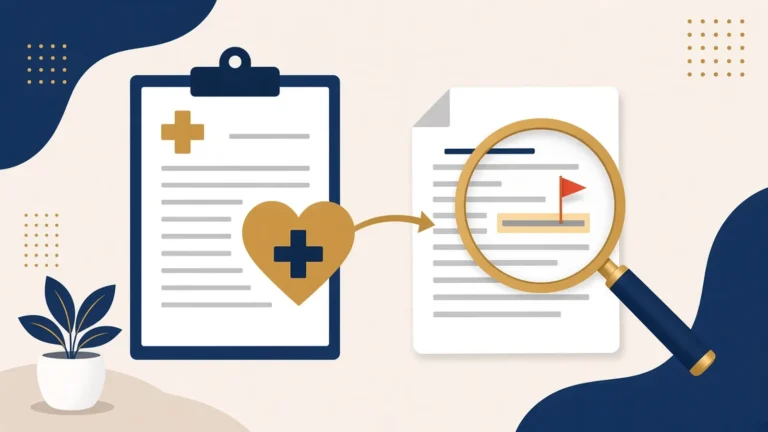
A lot of people avoid looking at their credit report the same way they avoid the dentist. They figure nothing good will come of it. That’s a mistake, because reports can contain errors, like an old account reported with the wrong status, and you can’t fix what you never see.
You can now check your credit reports from Equifax, Experian, and TransUnion for free every week at AnnualCreditReport.com, the site set up under federal law for this purpose. Checking your own report doesn’t hurt your score.
You don’t need to read all three every week. A simple rhythm works: pull one bureau’s report every few months, rotating through them, or pull all three before you apply for a car loan, apartment, or mortgage. Look for accounts you don’t recognize, balances that seem off, and late payments you know you made on time. If something’s wrong, you have the right to dispute it for free.
Make it a monthly “money date”
Here’s a simple way to tie all five habits together. Once a month, say the first Saturday, sit down with a coffee for about 30 minutes. Look at last month’s spending, check that your savings transfers went through, make sure every bill got paid, look at your card balances, and glance at your credit if it’s your month to check. That’s it. Thirty focused minutes a month can do more than a budgeting app you never open.
How the five habits feed each other
Here’s why it helps to think of this as a matrix and not a checklist. Tracking your spending tells you how much you can save. Savings keep you from missing payments when something goes wrong. On-time payments and low balances protect your credit. Checking your credit catches problems before they cost you. And better credit can mean better rates on the next car loan or apartment, which frees up more money to save.
When one habit slips, the others usually wobble too. If your emergency fund is empty, a surprise bill lands on a credit card, and your utilization jumps. That’s normal. The goal isn’t perfection. It’s getting back on track faster each time.
Starting small in 2026
If all five feel like a lot, don’t try to start them all this week. Here’s an order that works for a lot of people:
- Week one: turn on autopay minimums for every card and loan.
- Week two: do the 30-day spending look-back.
- Week three: set up an automatic transfer to savings, even a small one.
- Week four: pull your free credit reports and check them over.
After that, work on lowering your card balances as your budget allows. Small steps, repeated, beat big resolutions that fizzle out by February.
Bottom line
There’s no secret trick to getting your finances in shape. Track your spending, save automatically, pay every bill on time, keep your balances low, and check your credit. Do those things most months, for a long time, and you’ll likely look back in a year and barely recognize where you started. People have done it starting from some pretty rough spots.
Frequently asked questions
How much should I save each month?
There’s no single right number. Start with an amount you won’t miss, even $25 a paycheck, and raise it whenever you get a raise or pay off a debt. Consistency matters more than size at the start.
Does checking my own credit report lower my score?
No. Checking your own reports, including through AnnualCreditReport.com, is treated as a soft inquiry and doesn’t affect your credit scores.
Should I pay off debt or build savings first?
Many people do both: build a small starter emergency fund first so a surprise expense doesn’t push them into more debt, then put extra money toward debt while continuing small savings contributions.
Is autopay safe to use?
For most people, yes, as long as you keep enough in checking to cover the payments. Set it for at least the minimum so you never miss a due date, and watch your balance so you don’t overdraw.
This article is for educational purposes only and isn’t financial or legal advice.
Bad Credit Freedom is an educational website. We are not a credit repair company, lender, or credit bureau, and we don't offer credit repair services. This article is general education, not financial, legal or credit-repair advice. We do not promise score increases, removals or approvals. See our Financial Disclaimer.