Available Credit Is Not a Holiday Budget: How Seasonal Spending Hits Utilization
Picture a shopper on Black Friday with two credit cards and $6,000 in combined limits. The checkout screen says “available credit: $6,000,” and it’s easy to read that as room in the budget. It isn’t. Available credit is how much a lender will let you borrow. It says nothing about what you can afford to pay back, and the balance you run up in late November can still be sitting on your credit report when January comes around.
Last reviewed: November 27, 2026.
This guide explains how holiday credit card spending can show up on your credit report, why the statement balance matters more than the day you pay, and a few plain steps to keep seasonal charges from turning into a high balance you carry into the new year.
It’s a timely question. The Federal Reserve Bank of New York’s household debt report for the third quarter of 2026 found that credit card balances rose by $22 billion in the quarter to $1.29 trillion, and that’s before the holiday season starts.
Available credit is a limit, not a budget
Your credit limit is a ceiling the card issuer sets. Your budget is what your income can cover after rent, utilities, food, and other bills. Those are two different numbers, and the gap between them is where holiday debt grows.
A budget answers “what can I spend without borrowing?” Available credit answers “how much can I borrow?” If gifts, travel, and hosting are coming out of available credit rather than out of money you’ve set aside, you’re taking on debt, even if the card never gets close to its limit. If you don’t have a holiday number yet, our guide on how to make a budget walks through setting one.
How holiday charges reach your credit report
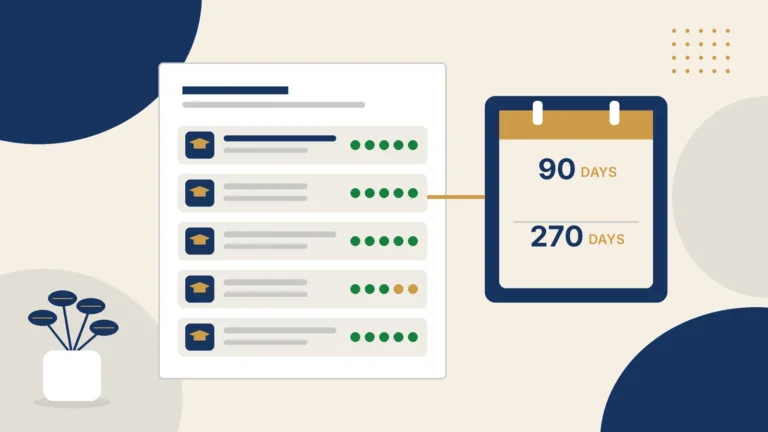
Here’s the part many people miss. Card issuers generally report your account to the credit bureaus about once a month, and the balance they report is typically the balance on your latest statement. myFICO puts it plainly in its guide to amounts owed: the total balance on your last statement is generally the amount that will show in your credit report, even if you pay your card in full each month.
So timing matters:
- Your statement closing date is when the billing cycle ends and the statement balance is set. That’s usually the balance that gets reported.
- Your payment due date comes later, typically a few weeks after the statement closes.
- If you pay in full on the due date, you may avoid interest, but the bureaus may already have received the higher statement balance.
Issuers don’t all report on the same day, and some report at other points in the cycle. If you want to know exactly when yours reports, the simplest move is to ask the issuer or check your card’s account settings for the statement closing date.
Why utilization matters, and why it can change month to month
Your credit utilization ratio is the share of your available revolving credit you’re using. Using the example above, $3,000 in reported balances on $6,000 in limits is 50% utilization. (That’s an illustration, not a target.)
According to myFICO’s overview of what’s in a FICO Score, amounts owed make up about 30% of a typical FICO Score, and utilization on revolving accounts is an important part of that category. myFICO says using a high percentage of your available credit can have a negative impact, while using a low percentage can have a positive one.
Utilization is based on what’s reported, so it can look different from one month to the next as balances change. That’s why a big December can show up in a report pulled in January, and why it’s worth understanding the mechanics before you swipe. We cover the details in our full guide to the credit utilization ratio. Every scoring model and every lender is different, so there’s no way to say how much any one month will move a particular score.
The interest side: what happens if you carry it
Credit reports are only half the story. The other half is cost. The Consumer Financial Protection Bureau explains that a grace period is the time between the end of a billing cycle and your due date. If your card has one and you pay the full balance by the due date, you may not be charged interest on purchases. If you don’t pay in full, you may lose the grace period and owe interest on the unpaid amount. The CFPB also notes that paying in full some months but not others can cost you the grace period for that month and the month after.
In other words, a holiday balance you can’t clear in one statement can keep costing you into spring. If you already know you’ll carry some of it, our credit card payoff calculator can show how long a balance could take to pay down at different payment amounts.
Five ways to keep holiday spending from becoming a January problem
- Set a cash number first. Decide what you can spend from income or savings before you shop, and treat the card as a payment method for that money, not a source of new money.
- Find your statement closing dates. Knowing when each card’s cycle ends tells you which balance is likely to be reported.
- Consider paying before the statement closes. A payment made before the closing date can lower the balance that gets reported. Paying by the due date still matters most, because payment history is the biggest single factor in a FICO Score.
- Spread charges thoughtfully, or don’t. Some people put everything on one card; others spread it out. Overall and per-card utilization can both matter, but the safer goal is simply a smaller total balance.
- Don’t close a card in a cleanup rush. Closing an account after the holidays can reduce your total available credit, which can raise utilization on the cards you keep. Our guide on closing old credit cards explains the tradeoffs.
Watch out for the habits covered in common mistakes that hurt your credit, too, such as missing a due date while traveling or opening several new accounts for checkout discounts.
Check your reports in January
Once the holiday statements post, it’s a good time to look at what actually got reported. You can get free credit reports from Equifax, Experian, and TransUnion every week at AnnualCreditReport.com, the only site authorized by federal law for free reports. Look at each card’s reported balance and limit, and make sure the accounts listed are yours. If something is wrong, you can dispute it yourself for free; our guide on how to dispute credit report errors walks through it.
Frequently asked questions
Does holiday shopping on a credit card hurt my credit?
Spending on a card isn’t harmful by itself. What can matter is the balance that gets reported, which is typically your statement balance, and whether you pay on time. A high reported balance relative to your limits means higher utilization, which myFICO says can have a negative impact.
If I pay my card in full, can my credit report still show a big balance?
Yes. myFICO says the balance on your last statement is generally what shows on your report, even if you pay in full each month. Paying before the statement closing date can change the balance that’s reported.
Is available credit the same as spending money?
No. Available credit is how much your issuer will let you borrow. Anything you spend from it is debt you’ll need to repay, and carrying it past the due date can mean interest charges.
Should I close a store card I opened for a holiday discount?
It depends on your situation. Closing a card can lower your total available credit, which can raise utilization on your other cards. Read our guide on closing old credit cards before deciding.
Sources
- myFICO: What is Amounts Owed?
- myFICO: What’s in my FICO Scores?
- CFPB: What is a grace period for a credit card?
- AnnualCreditReport.com: Free credit reports
- Federal Reserve Bank of New York: Quarterly Report on Household Debt and Credit, Q3 2026
This article is for educational purposes only and isn’t financial or legal advice.
Bad Credit Freedom is an educational website. We are not a credit repair company, lender, or credit bureau, and we don't offer credit repair services. This article is general education, not financial, legal or credit-repair advice. We do not promise score increases, removals or approvals. See our Financial Disclaimer.