Hidden FICO Killers: 4 Common Mistakes That Accidentally Drain Your Credit Score
Picture someone whose score drops more than expected in just a couple of months. They haven’t missed a payment. They haven’t taken out a loan. After twenty minutes of digging through their credit report, they find it: an old gym membership they thought they’d canceled was sent to collections over a final bill of less than a hundred dollars.
That’s what hidden FICO killers look like. Not the big, obvious stuff like bankruptcy. The small, easy-to-miss mistakes that quietly drag a score down while you’re busy doing everything else right. Here are four of the most common ones, and what you can do about each.
First, a quick refresher on what FICO looks at
According to myFICO, FICO Scores are built from five categories: payment history (about 35%), amounts owed (30%), length of credit history (15%), new credit (10%), and credit mix (10%). Each of the mistakes below hits one or more of those categories. Knowing which one helps you understand why a small slip can matter.
Mistake 1: Letting a small bill slip into collections
This is the gym membership example from above, and it’s more common than you’d think. A final utility bill after you move. A cable box you forgot to return. A last month of a membership after you canceled. These bills often go to an old address or an email you don’t check, and nobody’s reminding you about them until a collection agency is.
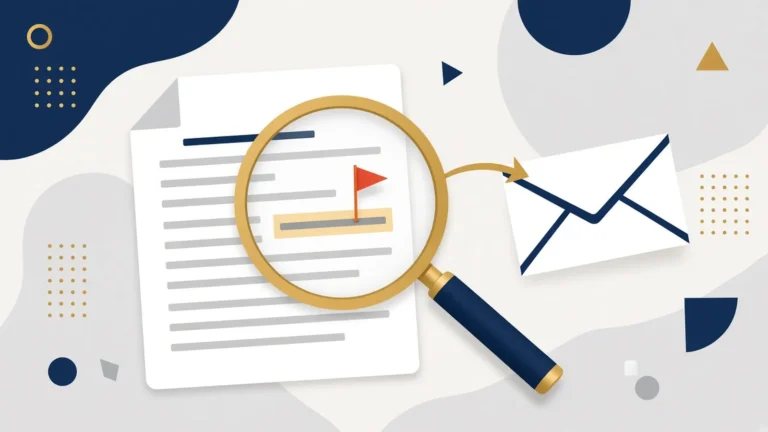
Many of these companies don’t report your on-time payments to the credit bureaus. But if an unpaid bill gets sent to a collection agency, that agency can report the collection account. A collection is a negative item in your payment history, and it can stay on your report for up to seven years.
How to avoid it
When you move or cancel a service, ask for a final bill in writing and confirm the account shows a zero balance. Update your mailing address with every company you’ve done business with. And check your credit reports regularly. You can get them free every week from all three bureaus at AnnualCreditReport.com. Catching a small collection early gives you a chance to deal with it, and if it isn’t yours or the amount is wrong, to dispute it.
Mistake 2: Maxing out a card, even if you pay it off
This one catches responsible people all the time. You put a big purchase on your card, like a new laptop or a family trip, fully planning to pay it off when the bill comes. And you do. No interest, no late fee. But your score dips anyway.
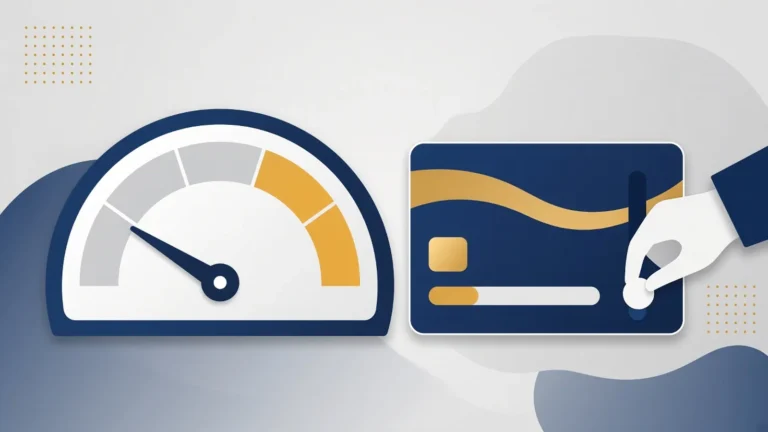
Here’s why. Card issuers usually report your balance around the time your statement closes, not when you pay. If your statement shows $1,800 on a $2,000 limit, that’s 90% utilization, and that’s what the bureaus see. Utilization is a big part of “amounts owed,” which makes up about 30% of a FICO Score. Lower utilization is generally associated with higher scores.
How to avoid it
Pay down big purchases before your statement closing date so a lower balance gets reported. Or spread large expenses across more than one card. The good news is that utilization is based on what’s currently reported, so once a lower balance shows up, this kind of dip tends to recover. We cover more score-friendly moves in smart moves that’ll help you raise your credit score.
Mistake 3: Closing old cards, or letting them go dormant
When people finally pay off a card, the instinct is to cut it up and close the account. I get it. It feels like closing a chapter. But closing a card can hurt your score in a couple of ways.
First, you lose that card’s credit limit, which can push your utilization up. Say you’ve got $3,000 in balances on other cards and $12,000 in total limits. You’re at 25%. Close a paid-off card with a $4,000 limit and you’re suddenly at 37.5%, without spending a dime more.
Second, over the long run, it can affect the length of your credit history. A card closed in good standing can stay on your credit report for up to 10 years, so this part isn’t immediate, but eventually it drops off.
There’s a sneaky version of this mistake too. If you never use a card, the issuer may close it for inactivity. Same effect, except you didn’t even choose it.
How to avoid it
If a card has no annual fee, consider keeping it open and putting a small recurring charge on it, like a streaming subscription, set to autopay. If it does have an annual fee you don’t want to pay, call and ask whether you can switch to a no-fee card from the same issuer instead of closing it.
Mistake 4: Applying for too much credit at once
Store checkout offers are designed to catch you in a weak moment. “Save 20% today if you open a card!” Do that at three stores during holiday shopping, then apply for a car loan in January, and you’ve stacked up a bunch of hard inquiries and new accounts in a short window.
New credit makes up about 10% of a FICO Score. According to myFICO, opening several new accounts in a short period represents greater risk, especially for people without a long credit history. Hard inquiries stay on your report for two years, though FICO Scores only consider those from the last 12 months.
Shopping around for one loan is treated differently. If you’re comparing rates for a mortgage, auto loan, or student loan, FICO generally counts multiple inquiries for the same type of loan within a short window as a single inquiry. So rate shopping for a car is fine. Opening five store cards in a month is a different story.
How to avoid it
Space out credit applications, and only apply for credit you actually need. Before you apply for a big loan, try to avoid opening anything new for several months. And when a cashier offers a discount for opening a card, remember that the 20% off might cost more in the long run than it saves. If you’re working on building credit from scratch, our guide on how to build good credit walks through a steadier approach.
What these four mistakes have in common
None of them feel like a big deal in the moment. A forgotten bill. A big purchase you planned to pay off anyway. Closing a card you’re done with. One more store card for a discount. That’s why they’re so easy to make. The common fix is paying attention: knowing your statement dates, checking your reports, and pausing before you open or close anything.
And for the person with the forgotten gym bill, the next step would be contacting the collection agency, asking for validation of the debt, and sorting it out. That can take a few phone calls and some patience. If the collection is accurate, it can’t simply be wiped away, but at least they’d know what they’re dealing with and could stop it from getting worse.
Bottom line
The things that quietly hurt a FICO Score are usually small: an unpaid final bill that slips into collections, a high balance reported on your statement, closing an old card, and applying for too much credit at once. Each one is avoidable once you know to look for it. Check your free credit reports regularly, pay attention to statement dates, and think twice before opening or closing accounts.
Frequently asked questions
How long does a collection account stay on my credit report?
Generally up to seven years. If the collection is accurate, it can’t be removed early just because you paid it, though some newer scoring models treat paid collections differently.
Does checking my own credit hurt my score?
No. Checking your own report is a soft inquiry and doesn’t affect your score. Hard inquiries happen when a lender checks your credit after you apply.
Will a high balance hurt my score permanently?
Usually not. In most FICO Score versions, utilization is based on currently reported balances, so lowering your balances can help once the new numbers are reported.
Is it ever okay to close a credit card?
Sometimes. If a card has a high annual fee you can’t get waived or downgraded, or if keeping it open tempts you to overspend, closing it can be the right call. Just know the possible effect on your utilization first.
This article is for educational purposes only and isn’t financial or legal advice.
This article is general education, not financial, legal or credit-repair advice. We do not promise score increases, removals or approvals. See our Financial Disclaimer.